Millions of people may be living with fatty liver disease without realizing it, but Olivia Sanders explains that the condition does not always have to progress into serious liver damage. In many people, especially during the early stages, liver fat can be reduced through consistent lifestyle changes. Her approach focuses on improving diet, increasing physical activity, controlling stress, and supporting better sleep habits to help reduce fat buildup and inflammation in the liver.
Healthy Liver Diet
Diet is one of the most important parts of Olivia Sanders’ approach to improving fatty liver health. She highlights sugar and refined carbohydrates as major contributors because consuming too much added sugar can encourage the liver to produce and store additional fat. Foods and drinks such as sugary beverages, sweets, highly processed foods, and refined white bread should therefore be limited as much as possible.
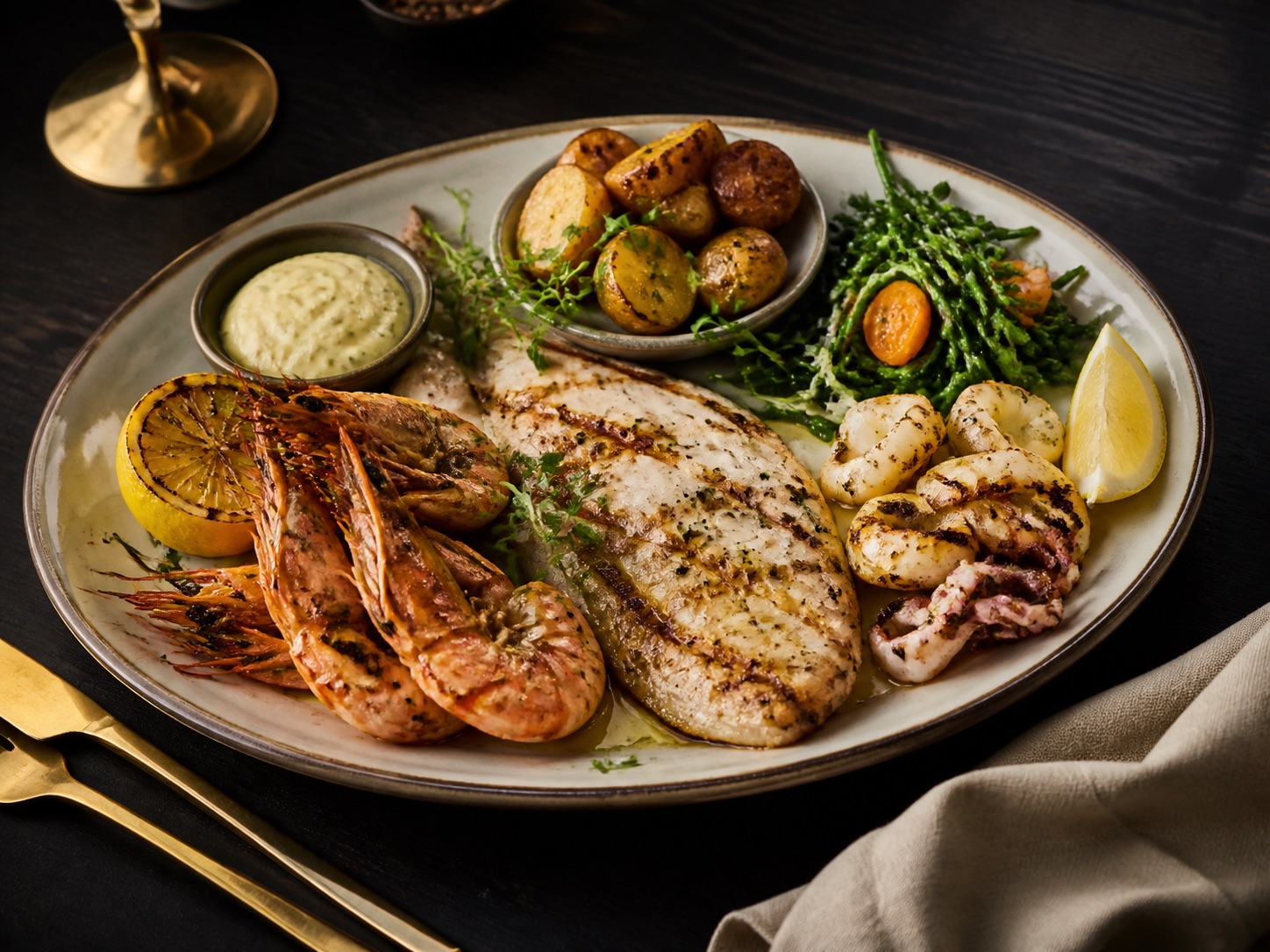
Instead, Olivia recommends focusing on whole and minimally processed foods. Leafy green vegetables, nuts, seeds, healthy fats, and oily fish such as salmon can provide important nutrients while supporting overall metabolic and liver health. A balanced eating pattern can also help improve blood sugar control and reduce excessive calorie intake, both of which are important for people dealing with fatty liver disease.
Olivia Sanders’ How to Reverse Fatty Liver Disease Naturally
Regular physical activity is another important pillar of Olivia Sanders’ natural approach to fatty liver disease. Research has shown that exercise can help reduce liver fat even when a person does not experience major weight loss. Around 150 minutes of moderate-intensity physical activity each week, such as brisk walking, cycling, or swimming, may significantly improve metabolic health and reduce fat stored in the liver.
Strength training can also be beneficial. Building and maintaining muscle helps the body use glucose more effectively and can improve insulin sensitivity. Since insulin resistance is strongly associated with fatty liver disease, combining aerobic exercise with resistance training may provide additional benefits for liver health.
Coffee and Green Tea May Support Liver Health
Coffee and green tea are two beverages Olivia includes in her liver-friendly routine. Coffee naturally contains antioxidants and other compounds that have been associated in several studies with healthier liver enzyme levels and a lower risk of some forms of chronic liver disease.
Green tea contains antioxidant compounds known as catechins. These compounds have been studied for their potential effects on metabolism, inflammation, and fat accumulation. Olivia suggests drinking around two to three cups of coffee or green tea during the day without adding large amounts of sugar. People who are sensitive to caffeine or have other medical conditions should discuss their intake with a healthcare professional.
Sleep and Stress Management Matter
Olivia also emphasizes that improving liver health involves more than food and exercise. Poor-quality sleep can interfere with hormones, blood sugar regulation, appetite, and metabolism. Over time, these problems may contribute to weight gain and increased fat storage, including fat around the liver.
Maintaining a consistent sleep schedule and getting enough quality rest can therefore support metabolic health. Olivia recommends developing a regular nighttime routine, including going to bed at a consistent time when possible. Relaxation techniques such as deep breathing, meditation, or mindfulness may also help reduce chronic stress and encourage healthier daily habits.
Your Liver Has a Strong Ability to Recover
Olivia describes the liver as a powerful regenerative organ because it has a remarkable ability to recover when harmful factors are reduced. In early-stage fatty liver disease, improvements in diet, activity levels, body weight, sleep, and metabolic health can sometimes substantially reduce liver fat over several months.
However, recovery varies from person to person and depends on factors such as the stage of liver disease, body weight, diabetes, cholesterol levels, alcohol consumption, medications, and other health conditions. Lifestyle changes remain an important part of managing fatty liver disease, but medical evaluation is still necessary to determine the severity of the condition and whether additional treatment is required.
Olivia’s overall message is based on consistency rather than quick fixes. Gradually reducing added sugar and processed foods, eating more whole foods, exercising regularly, improving sleep, and managing stress can create meaningful improvements in liver and metabolic health. The earlier fatty liver disease is identified and addressed, the greater the opportunity may be to prevent further liver damage and support healthier liver function.