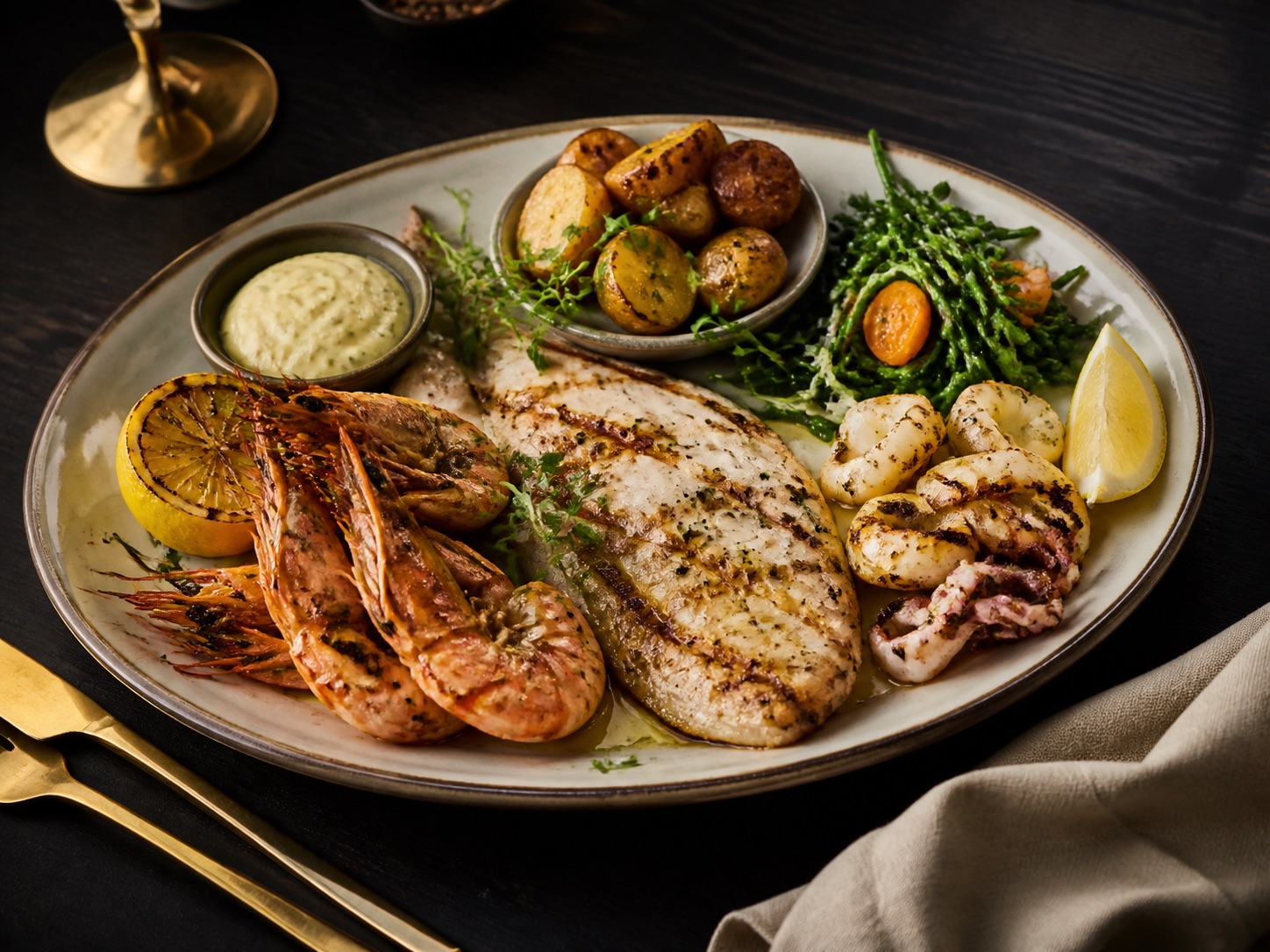
For most of her twenties, Arlise Mott believed that breakouts, facial redness, low energy, and unpredictable mood swings were simply part of living a busy and stressful life. Long working hours, irregular meals, late nights, and constant deadlines had become normal for her. Over time, she also began accepting dull skin and emotional exhaustion as things she simply had to manage. Arlise never seriously considered that her daily food choices might be connected to the way her skin looked or how she felt emotionally.
“I didn’t think food had anything to do with how I felt,” she recalls. “I thought it was all stress, hormones, or bad luck.” Like many people dealing with recurring skin problems, she initially focused heavily on skincare products and external treatments rather than looking at what was happening inside her body.
However, about a year before turning thirty, things started becoming harder to ignore. Arlise noticed that her breakouts appeared more often, particularly during stressful weeks. At the same time, she experienced more tension, irritability, tiredness, and low-level anxiety. She invested in expensive skincare products, experimented with supplements, and regularly changed her skincare routine, but none of these solutions produced lasting improvement.
After months of frustration, Arlise started questioning whether her eating habits were contributing to her problems. Through personal research, professional guidance, and careful experimentation, she eventually discovered the Mediterranean diet. Instead of being another short-term diet, it became an eating pattern that gradually changed both her skin and her emotional well-being.
The Mediterranean approach is different from many restrictive eating plans because it focuses on whole foods, fresh ingredients, healthy fats, vegetables, fruits, legumes, whole grains, fish, nuts, and seeds rather than removing entire food groups. Research associated with institutions such as the Harvard T.H. Chan School of Public Health and the National Institutes of Health has examined the benefits of eating patterns rich in antioxidants, fiber, omega-3 fatty acids, and healthy fats. These nutrients are associated with lower inflammation and better overall health.
For Arlise, the process began with small changes rather than a complete overnight transformation. Those small changes eventually became important enough to completely reshape her relationship with food.
How the Journey Started: When Skin and Mood Became Impossible to Ignore
Arlise remembers one morning when she looked in the mirror and noticed another group of breakouts developing across her cheeks and jawline. Acne was not new to her, but this particular morning left her feeling emotionally exhausted by the constant cycle. At almost the same time, she was dealing with poor concentration, afternoon mood dips, irritability, and tiredness even after getting what seemed like enough sleep.
“I knew something was off,” she says, “but I didn’t realize my diet could be part of the problem.”
Looking back, Arlise admits that her eating routine was not supporting her body particularly well. Lunch often consisted of fast food, packaged snacks, or whatever was quickest during a busy workday. Dinner was regularly based on processed or convenience foods, and vegetables were rarely the main part of her meals.
Added sugar was also a regular part of her routine. Morning pastries, sweetened coffee drinks, desserts, and late-night treats frequently became ways of coping with demanding workdays. During stressful periods, these habits became even more common.
A conversation with her dermatologist encouraged Arlise to think differently about food. She learned that dietary patterns may influence inflammation and that inflammation can be involved in certain skin problems. That conversation encouraged her to investigate the connection between nutrition, skin health, and emotional wellness more carefully.
At first, the amount of conflicting nutritional advice online felt confusing. Some diets demanded strict carbohydrate restriction, while others recommended eliminating dairy, gluten, sugar, or several food groups at once. The Mediterranean diet stood out because it was flexible, practical, and supported by decades of research into cardiovascular health, metabolic health, inflammation, and overall wellness.
Arlise initially planned to follow Mediterranean-style eating for only two weeks. Instead, the approach eventually became a permanent part of her lifestyle.
Understanding Why the Mediterranean Diet Works for Skin and Mood
As Arlise became more interested in nutrition, she started learning about the relationship between inflammation, hormones, digestion, the brain, and the skin. Chronic low-grade inflammation has been studied in connection with many aspects of physical health, while nutrition can influence factors such as blood sugar, the gut microbiome, and nutrient availability.
The Mediterranean diet naturally includes many foods that provide antioxidants, vitamins, minerals, fiber, healthy fats, and plant compounds. These nutrients may support the body in several different ways rather than targeting only one symptom.
Foods commonly included in a Mediterranean-style diet include:
- Antioxidant-rich fruits: Berries, citrus fruits, grapes, and other fruits provide compounds that help protect cells against oxidative stress.
- Colorful vegetables: Vegetables supply nutrients including vitamins A, C, E, and K, along with minerals and plant compounds that support normal tissue function.
- Whole grains: Foods such as oats, barley, quinoa, and whole-grain bread provide fiber and may support more stable energy levels compared with heavily refined carbohydrates.
- Legumes, nuts, and seeds: Beans, lentils, chickpeas, walnuts, almonds, and seeds provide plant protein, fiber, minerals, and beneficial fats.
- Fatty fish: Salmon, sardines, mackerel, and similar fish contain omega-3 fatty acids that play important roles in normal inflammatory processes.
- Extra virgin olive oil: Olive oil is a central part of Mediterranean eating and provides monounsaturated fats as well as naturally occurring polyphenols.
- Fermented foods: Foods such as yogurt may support a varied diet and provide beneficial microorganisms depending on the product.
Instead of creating overnight changes, this style of eating is designed to consistently provide the body with nutritious foods. Arlise gradually understood that skin health could not always be addressed only through topical skincare. Hormones, digestion, stress, sleep, genetics, environmental exposure, and nutrition can all influence how the skin behaves.
She also became interested in the relationship between nutrition and mood. Nutrients such as omega-3 fatty acids, B vitamins, magnesium, protein, and fiber are important for normal brain and nervous system function. Regular balanced meals may also help prevent dramatic energy changes associated with long gaps between meals or high-sugar foods.
Learning about these connections encouraged Arlise to stay consistent even when improvements seemed gradual. “I didn’t want another short-term solution,” she says. “I wanted something that actually supported my body.”
The First Signs of Change: Subtle but Meaningful Shifts
Roughly ten days after making her first dietary changes, Arlise began noticing small differences. She felt more refreshed in the morning and thought her face looked less puffy. Existing breakouts appeared to settle more quickly, while her overall skin tone seemed calmer and more even.
“I wasn’t expecting huge changes,” she says. “But small things — less redness, fewer new breakouts — made me want to keep going.”
She soon noticed emotional changes as well. Previously, afternoons were often associated with declining energy, irritability, and difficulty concentrating. With more balanced meals, she felt that her energy became more consistent throughout the day.
Foods rich in fiber, healthy fats, complex carbohydrates, and protein helped make her meals more filling. Instead of relying on sugary snacks for a quick burst of energy, Arlise found herself staying satisfied for longer periods.
Her digestion also became more comfortable. She reported less bloating, greater regularity, and fewer intense sugar cravings. Scientists continue to study the relationship between gut health, the brain, and the skin through pathways commonly described as the gut-brain and gut-skin connections.
By regularly eating vegetables, fruits, whole grains, legumes, yogurt, nuts, and other fiber-rich foods, Arlise increased the variety of nutrients reaching her digestive system. For her, improving her eating habits became part of improving her overall daily well-being.
Building a Skin- and Mood-Friendly Mediterranean Routine
Rather than following complicated recipes or expensive meal plans, Arlise built her Mediterranean routine around affordable and accessible ingredients. She did not completely eliminate foods she loved. Instead, she changed the overall balance of her diet so that nutritious whole foods appeared far more frequently.
Breakfast might include Greek yogurt with berries, walnuts, and seeds. Lunch often became a colorful salad prepared with tomatoes, cucumber, leafy vegetables, chickpeas, olive oil, lemon juice, and whole grains such as quinoa or farro.
Dinner regularly included salmon or another source of protein served with roasted vegetables. On other days, she prepared lentil soup, bean dishes, vegetable bowls, or whole-grain pasta with olive oil, herbs, and vegetables.
One of the biggest surprises was how satisfying Mediterranean-style meals could be. Healthy fats from olive oil and nuts, fiber from vegetables and legumes, and protein from fish, yogurt, or beans helped her remain full for longer periods.
Her daily habits included several simple changes:
- Choosing water, sometimes flavored with lemon, instead of frequently drinking sugary beverages.
- Using extra virgin olive oil as one of her main cooking and dressing fats.
- Eating a small portion of nuts as an afternoon snack when hungry.
- Choosing fruit more often instead of automatically reaching for pastries or sweets.
- Preparing vegetable-rich meals in advance for demanding workdays.
Arlise also began thinking about the Mediterranean lifestyle as something broader than food. Traditional Mediterranean living often includes shared meals, physical activity, time outdoors, and strong social relationships. She started slowing down during meals and paying more attention to hunger, fullness, rest, and stress.
These lifestyle habits became just as meaningful to her emotional well-being as changing the ingredients on her plate.
The Role of Healthy Fats in Clearer Skin
Healthy fats became one of the most important additions to Arlise’s eating routine. Before changing her diet, she often selected low-fat foods because she assumed avoiding fat was always healthier. Her perspective changed when she learned that the body requires dietary fats for several essential functions.
Omega-3 and monounsaturated fats are involved in cell structure, normal hormone production, brain health, and various biological processes. Research has also explored how dietary fatty acids may influence inflammatory responses and the skin barrier.
Arlise gradually added foods such as salmon, sardines, avocado, extra virgin olive oil, walnuts, and seeds to her meals. Over time, she felt that her skin became less dry and more balanced. The dryness that often appeared around her cheeks became less noticeable, while breakouts seemed less irritated.
The increased intake of nutritious fats also made her meals much more satisfying. Because she stayed full longer, she was less likely to experience the cycle of hunger, sugary snacking, and sudden energy changes that previously affected her workdays.
Healthy fats alone were not responsible for every improvement. Arlise viewed them as one part of a wider dietary pattern that included vegetables, fruit, fish, legumes, whole grains, adequate protein, hydration, and regular meals.
How the Mediterranean Diet Supported Arlise’s Emotional Resilience
One of the changes that surprised Arlise most involved her ability to manage stressful situations. Previously, unexpected deadlines, difficult meetings, or heavy workloads could quickly leave her feeling anxious, irritable, and emotionally drained.
After several months of eating differently and improving other lifestyle habits, she felt more emotionally steady. She described the feeling as having a stronger internal “buffer” between a stressful situation and her emotional response.
Nutrition is only one of many factors affecting mental and emotional well-being, but research has increasingly examined the relationship between dietary patterns and psychological health. Mediterranean-style diets provide polyphenols, fiber, vitamins, minerals, omega-3 fats, and other nutrients involved in normal brain and nervous system function.
Another important factor for Arlise was blood sugar stability. Meals built mainly around refined carbohydrates or added sugars could leave her hungry soon afterward. By combining complex carbohydrates with vegetables, healthy fats, fiber, and protein, she experienced fewer dramatic changes in hunger and energy.
Her improved digestive health also encouraged her to continue. The gut contains a complex community of microorganisms, and researchers are actively studying how the gut microbiome communicates with the brain and other systems throughout the body.
After several months, Arlise felt more patient, emotionally balanced, and capable of handling difficult days. However, she understood that nutrition was supportive rather than a replacement for appropriate mental healthcare when needed.
What Arlise Learned: Balance Matters More Than Perfection
Looking back on her experience, Arlise believes one of the main reasons Mediterranean eating worked for her was that it never required perfection. She did not create strict rules around every ingredient, nor did she feel guilty whenever she enjoyed something outside her normal routine.
“It wasn’t about cutting things out,” she says. “It was about adding the right foods in.”
This flexible attitude helped make the lifestyle sustainable. Most of her meals followed Mediterranean principles, but she could still enjoy pizza with friends, dessert at celebrations, or restaurant meals without treating them as failures.
Instead of focusing on a single meal, Arlise paid attention to her overall dietary pattern. Vegetables, fruits, whole grains, beans, fish, nuts, seeds, and olive oil became everyday foods, while highly processed snacks and sweets became less frequent.
Her advice for people interested in making similar changes includes:
- Start gradually by adding Mediterranean ingredients to meals you already enjoy.
- Build most meals around whole and minimally processed foods.
- Eat vegetables and fruits in different colors to increase dietary variety.
- Include sources of healthy fats such as olive oil, nuts, seeds, avocado, and oily fish.
- Choose whole grains and legumes regularly for additional fiber.
- Avoid treating occasional desserts, restaurant meals, or favorite foods as failures.
- Remember that skincare and nutrition can work together rather than treating food as a guaranteed cure for skin conditions.
- Avoid extreme or unnecessarily restrictive diets unless medically advised.
- Speak with a qualified healthcare professional when dealing with persistent or severe acne, anxiety, depression, or other medical concerns.
How Mediterranean Eating Became a Lifestyle, Not a Diet
Years after first experimenting with Mediterranean eating, Arlise no longer views it as a temporary diet. It influences the way she shops for groceries, prepares meals, handles busy workdays, and thinks about her overall health.
Instead of automatically buying packaged convenience foods, she now keeps ingredients such as vegetables, fruits, yogurt, beans, lentils, nuts, whole grains, olive oil, and fish available whenever possible. Meal preparation has become a form of self-care rather than another stressful task.
She also pays more attention to sleep, hydration, movement, and stress management because she understands that neither skin health nor emotional well-being depends on food alone.
Her skin is now calmer and more consistent than it was during her twenties, according to her personal experience. She also feels that her mood and energy recover more quickly after stressful periods. These changes have given her a different relationship with her body.
“It gave me back a sense of control,” she says. “Not control in a strict way, but in a supportive, sustainable way.”
Arlise’s experience reflects many of the principles that have made Mediterranean-style eating one of the most extensively studied dietary patterns. Its emphasis on vegetables, fruits, whole grains, legumes, healthy fats, fish, nuts, seeds, and minimally processed foods can contribute to a nutritious and balanced lifestyle.
At the same time, her story demonstrates the importance of patience. Changes in skin, digestion, energy, or emotional well-being rarely happen because of a single food. Genetics, hormones, sleep, stress, medical conditions, medications, physical activity, and many other factors may be involved.
For Arlise, the biggest lesson was that improving nutrition did not require following a harsh or temporary diet. Instead, it meant developing a healthier relationship with food and consistently giving her body the nutrients it needed. What began as an attempt to understand recurring breakouts eventually became a sustainable lifestyle focused on nourishment, balance, clearer skin, steady energy, and greater emotional well-being.