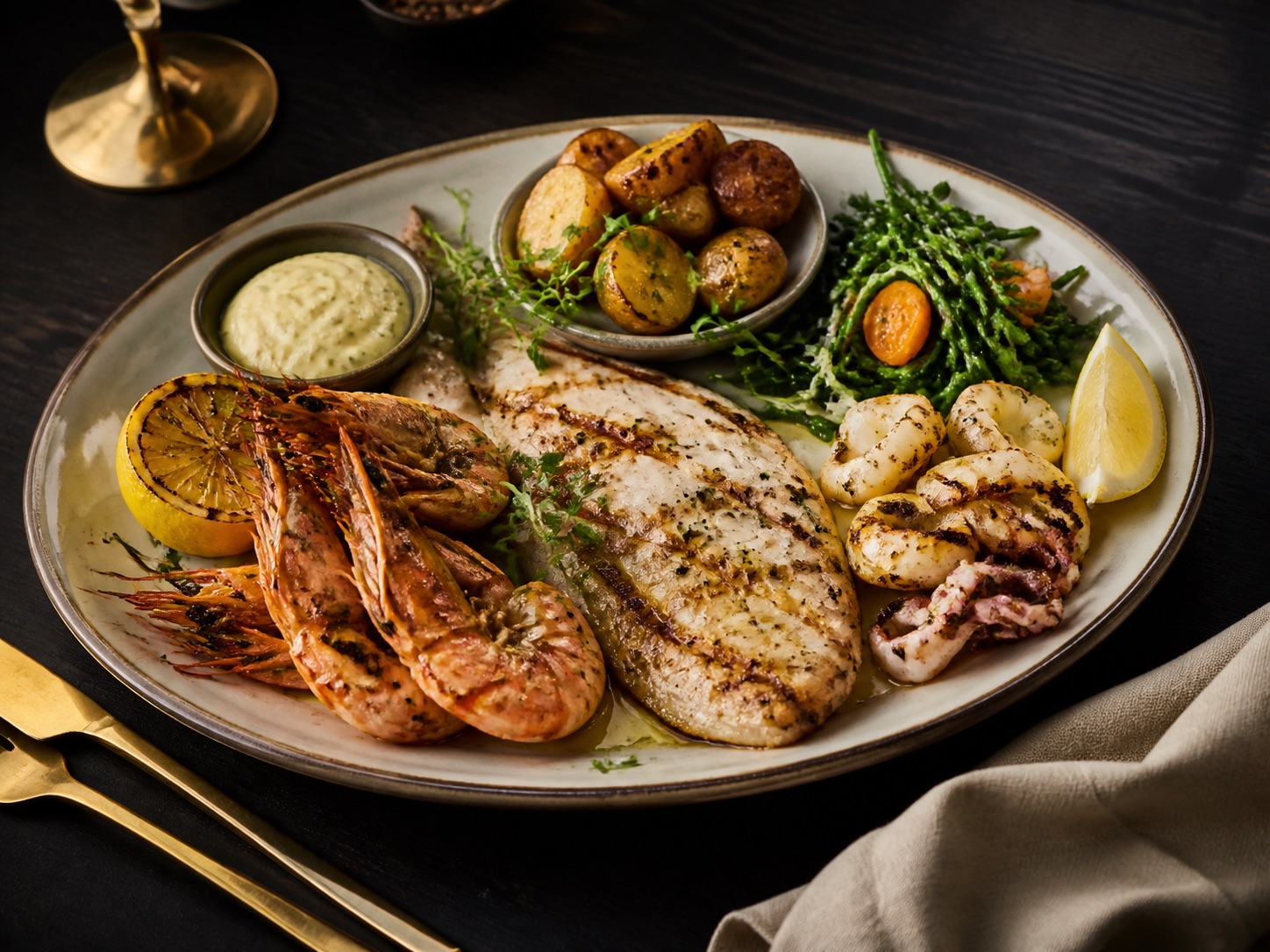
Mae Carter did not begin changing her family’s eating habits by creating a long list of restrictions. Instead, she started with love and the simple goal of making food healthier while bringing everyone closer together. “I wanted our food to show how much I cared—not only about nutrition, but also about the time we spent together,” she says.
Clean Eating Without Giving Up Family Favorites
For Mae, clean eating was never about removing everything her children loved from the table. She wanted to find a practical balance that worked with the family’s busy schedule while still supporting better nutrition and healthier everyday choices.
At first, Mae experimented with foods she believed would be healthier for her children. But after realizing that trying to convince them to enjoy kale chips was not working, she changed her approach. Instead of forcing unfamiliar foods onto their plates, she began thinking creatively about meals they already enjoyed.
Making Everyday Meals Healthier
Mae started asking herself simple questions. Could taco night still be exciting if she used fresh, real ingredients? Could spaghetti night include more vegetables without turning dinner into an argument? Over time, she discovered that the answer to both questions was yes.
Rather than completely replacing familiar meals, she gradually improved them. Fresh vegetables, balanced ingredients and simple homemade additions became part of dishes her children already recognized. This made healthier eating feel less like a strict new diet and more like a natural change in the family’s routine.
Perfection Was Never the Goal
Mae’s approach was not built around being perfect every single day. Some evenings were too busy for cooking, and leftovers or takeaway occasionally became dinner. She accepted those moments instead of treating them as failures.
On most nights, however, Mae tried to prepare simple and well-balanced meals. Consistency slowly made a difference. Her children became more comfortable with foods they had previously avoided. Vegetables that once caused complaints became familiar, and they even started asking for the “good rice”—brown rice prepared with flavorful seasonings.
Getting the Whole Family Involved
Mae believes patience, consistency and inclusion played an important role in changing her family’s relationship with food. Instead of handling every part of meal preparation herself, she encouraged her children to participate whenever possible.
The tasks did not have to be complicated. Sometimes the children helped stir ingredients, wash fruit or complete other simple kitchen jobs. These small responsibilities gave them a sense of involvement and helped make preparing food something the family could experience together.
Cooking Became a Shared Responsibility
The changes were not limited to Mae and her children. Her boyfriend also became more involved in the kitchen. He started learning how to prepare meals that he had previously considered entirely Mae’s responsibility.
As more family members participated, cooking became less of a task carried by one person and more of a shared routine. Everyone had an opportunity to contribute, making the process of preparing meals almost as meaningful as eating them.
Clean Eating Created More Than Healthier Meals
What surprised Mae most was not simply how much healthier or better their meals became. The biggest change was the stronger feeling of connection that developed around the table.
Preparing food together encouraged conversation, cooperation and shared experiences. Dinner became more than a meal at the end of a busy day. It became a regular opportunity for the family to spend meaningful time together.
“Clean eating brought us closer,” Mae says. “Not because the food was perfect, but because the process belonged to all of us.”