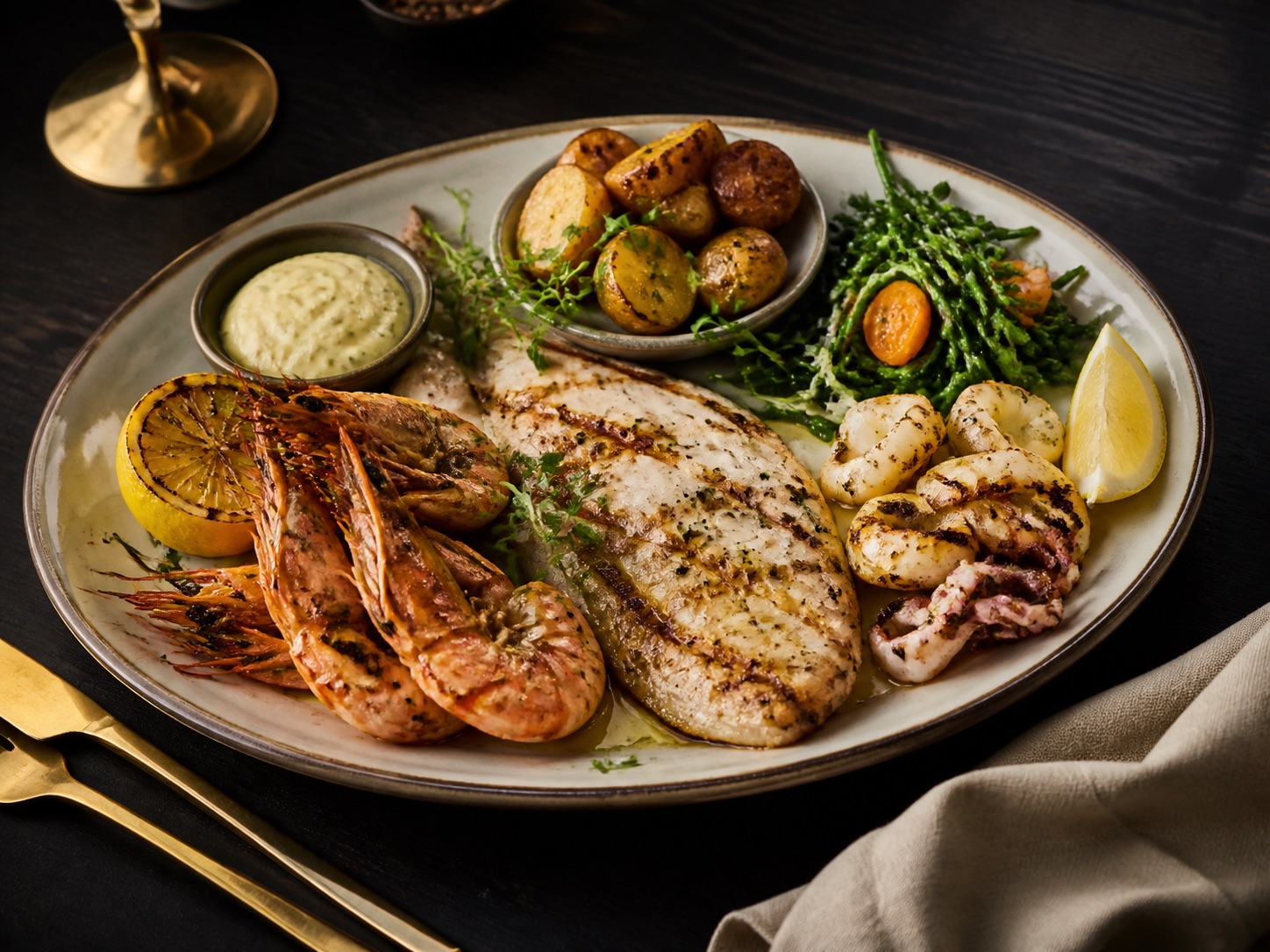
For Rowan Tate, going dairy-free was never about following a wellness trend or experimenting with a fashionable diet. The change became necessary after her younger child was diagnosed with a dairy allergy. Suddenly, Rowan found herself looking at a refrigerator filled with foods her family could no longer use in the same way. The situation initially felt overwhelming because dairy, especially cheese, had been part of many of the meals she regularly prepared.
The First Few Weeks Were the Hardest
The beginning of the dairy-free journey was challenging for Rowan and her family. Her children were not immediately comfortable with the changes, and many of the dairy-free substitutes she tried failed to deliver the familiar taste and texture they expected. Replacing favorite ingredients with alternatives was not as simple as she had hoped.
Instead of continuing to recreate every cheese-heavy dish exactly as it had been before, Rowan eventually changed her approach. She began focusing on the flavors her family already enjoyed and built new meals around those tastes. This helped make the transition feel less like giving something up and more like discovering different ways to enjoy familiar food.
Familiar Meals Took on a New Form
Rowan started paying more attention to familiar textures, plant-based sauces, fresh vegetables, herbs, and other flavorful ingredients. Popular family meals did not disappear from the menu. Instead, they were adjusted to fit their new dairy-free lifestyle.
Pasta night, for example, remained an important part of the family routine, but the sauces and toppings changed. Tacos also stayed on the menu. Instead of using sour cream, Rowan began serving them with avocado and fresh lime. These simple changes allowed the family to keep enjoying meals they recognized without relying on dairy products.
Her Family Slowly Adjusted
The transition did not happen overnight. Rowan introduced changes gradually, giving everyone time to become familiar with different ingredients and flavors. As the family discovered dairy-free meals they genuinely enjoyed, the resistance started to fade.
Rather than concentrating on what was missing from each dish, Rowan focused on making meals satisfying in their own way. Over time, dairy-free eating became less unusual for the family and started feeling like a normal part of everyday life.
Rowan Noticed Changes in Herself Too
One of the biggest surprises for Rowan was how she personally felt after changing the family’s diet. Although she did not have the same diagnosed dairy allergy as her child, she says she noticed less bloating, clearer-looking skin, and improved energy after reducing dairy in her own meals.
For Rowan, however, the experience became about more than simply removing one category of food. It encouraged her to explore new ingredients, experiment with different combinations, and discover fresh ways of preparing meals her family could enjoy together.
Dairy-Free Meals Became a Family Tradition
What began as a necessary dietary adjustment eventually became part of Rowan’s family routine. She now organizes Sunday meals where dairy-free dishes are at the center of the table. Instead of focusing on traditional versions of the recipes they once ate, the family enjoys the new dishes for what they are.
The change has also reached beyond Rowan’s immediate household. Members of her extended family have started asking for recipes after trying the meals themselves. For Rowan, this has been proof that a dish does not need dairy to be enjoyable. As she puts it, good food can speak for itself when the flavors work.
Her Advice for Families Going Dairy-Free
Rowan’s advice to families considering a dairy-free lifestyle is simple: begin with foods everyone already enjoys rather than completely changing the menu at once. Making small substitutions gradually can make the transition easier, especially for children who may be attached to familiar meals.
She also recommends involving the whole family in the process. Choosing ingredients together, experimenting with new recipes, and deciding which substitutions work best can make dietary changes feel more shared and manageable. For Rowan, food remains about bringing people together. The ingredients may change, but the importance of sharing and enjoying meals as a family remains the same.