When Nora Parker’s doctor told her at age 46 that she had high cholesterol, the diagnosis came as a surprise. She considered herself reasonably fit and rarely ate junk food, so she believed her daily habits were already healthy. “I thought I was doing everything right,” she recalls. “But I had no idea how much hidden sodium and saturated fat were present in the foods I ate every day.” That discovery encouraged Nora to learn more about diet plans for heart health. What began as an effort to improve her cholesterol numbers gradually changed the way she thought about food, exercise, and long-term wellness.
Learning That “Healthy” Isn’t Always Heart-Healthy
Nora’s first major step was learning what heart-healthy eating actually means. She quickly discovered that simply avoiding burgers, fried foods, or obvious junk food was not enough. “Heart health is really about the choices you make every day,” she says. Foods marketed as “low-fat,” “light,” or “healthy” can still contain large amounts of added sugar, sodium, or highly refined ingredients.
As Nora looked more closely at nutrition labels, she became more aware of how refined carbohydrates and added sugars could affect her overall diet. She had previously focused almost entirely on fat intake, but she began realizing that heart-friendly nutrition required a much broader approach.
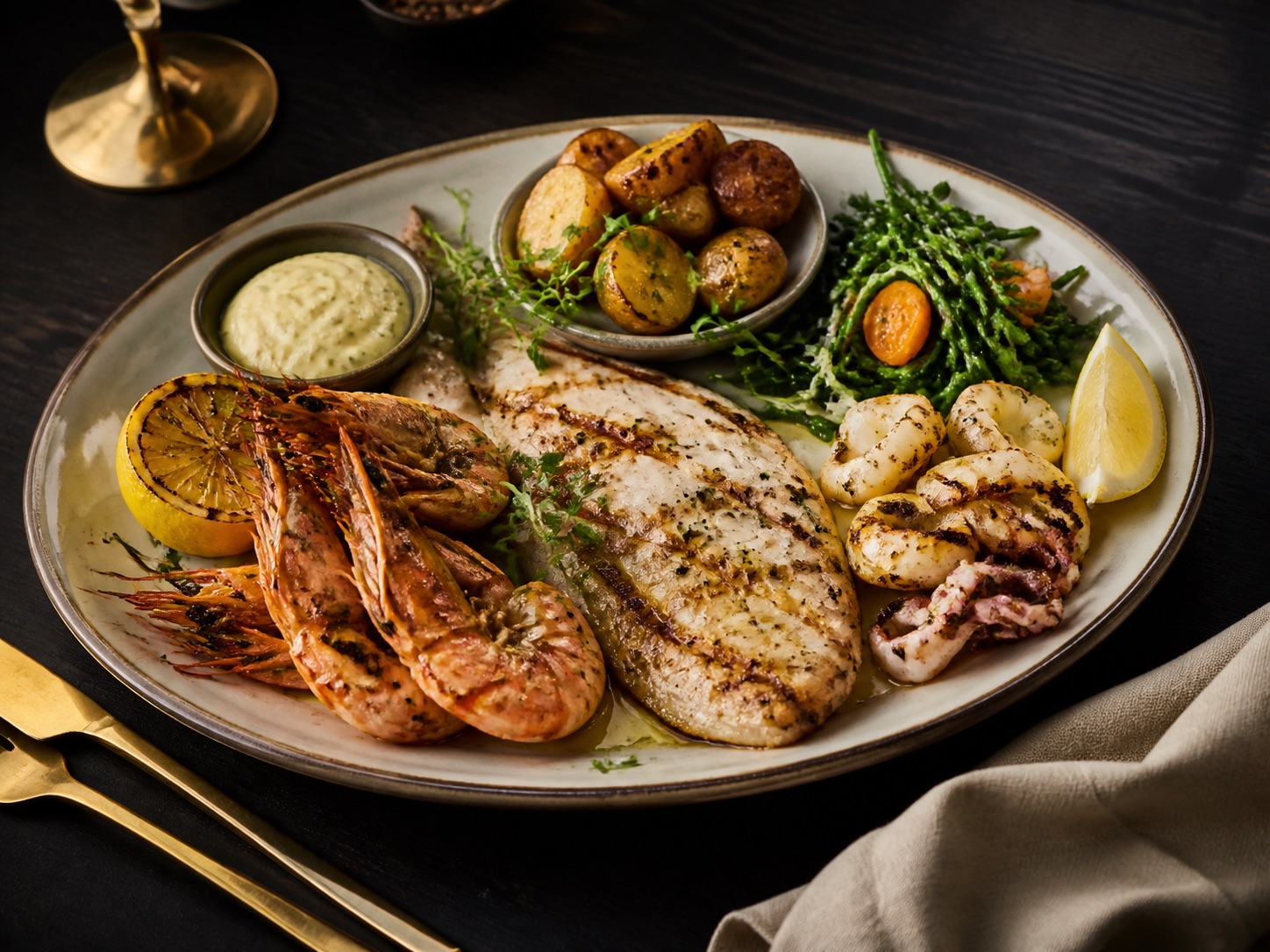
Her dietitian introduced her to a Mediterranean-style eating pattern built around vegetables, fruits, whole grains, legumes, olive oil, nuts, seeds, and fish. Instead of seeing it as another restrictive diet, Nora began treating it as a sustainable way of eating. “It didn’t feel like a temporary diet,” she explains. “It felt like a lifestyle I could actually maintain.”
Within several weeks, Nora noticed positive changes in how she felt. Her digestion improved, her energy became more consistent, and she gradually lost weight. Over the following six months, she says her cholesterol level dropped by about 30 points. “The difference surprised me,” she says. “I wasn’t constantly hungry or thinking about what I couldn’t eat. I actually felt better.”
One of the biggest reasons Nora stayed committed was flexibility. She could still enjoy foods such as bread in reasonable portions and occasionally have a glass of wine. Instead of following an extreme set of restrictions, she learned how to make healthier choices most of the time. “It felt realistic and human,” she says. “That made it much easier to continue.”
Building a Heart-Healthy Plate
With guidance from her nutritionist, Nora developed what she calls her “rainbow rule.” She tries to include several different colors of vegetables and fruits throughout the day because variety helps her naturally consume a wider range of nutrients.
She also started building most meals around three important elements: fiber-rich foods, healthy fats, and lean sources of protein. Fiber-rich foods such as oats, beans, vegetables, fruits, and whole grains became regular parts of her meals. She replaced some sources of saturated fat with foods such as olive oil, nuts, seeds, and fish. For protein, she increasingly chose fish, poultry, yogurt, legumes, and other lean options.
“Fiber, healthy fats, and protein became the foundation of my meals,” Nora explains. “When I included all three, I felt satisfied and found it easier to avoid unnecessary snacking.”
What Nora’s Typical Day Looks Like
Nora does not eat exactly the same foods every day, but she follows a simple structure that makes heart-conscious eating easier. Her typical daily meals may include:
- Breakfast: Greek yogurt with oats, fresh berries, and chia seeds.
- Lunch: Grilled salmon with a colorful salad and an olive oil-based dressing.
- Dinner: Quinoa with roasted vegetables and baked chicken.
- Snacks: A small portion of nuts, apple slices, fruit, or green tea.
She also became more aware of portion sizes. Nora realized that nutritious foods can still add significant calories when eaten without moderation. Olive oil, nuts, seeds, and other healthy-fat foods are valuable additions to a balanced diet, but she learned to use sensible portions.
“Heart health isn’t about simply eating less,” she says. “It’s about eating smarter. You can’t pour unlimited olive oil over everything and assume it is automatically healthy.” For Nora, moderation gradually became just as important as food quality.
Making Small Food Swaps That Last
Instead of completely changing every meal overnight, Nora focused on simple substitutions. She began using olive oil more often instead of butter, choosing whole grains instead of heavily refined options, and eating beans or fish more frequently instead of relying on red meat.
She found that these smaller adjustments were much easier to maintain than an overly strict diet. More importantly, they allowed her to continue enjoying food rather than treating every meal as a medical requirement. Over time, healthier choices became part of her normal routine rather than something she had to constantly think about.
Beyond the Kitchen: Lifestyle and Longevity
Nora eventually realized that diet plans for heart health work best when they are supported by other healthy lifestyle habits. Nutrition remained the foundation of her routine, but she also began paying more attention to physical activity, sleep, and stress management.
She started walking for around 30 minutes each day. The routine was simple enough to follow consistently and did not require a gym membership or complicated workout program. She also introduced short meditation sessions to help manage stress and began going to bed earlier so she could get more consistent sleep.
“Every daily choice can influence your health in some way,” Nora says. “You don’t have to be perfect. You just have to become more aware of what you are doing.”
For her, consistency proved more useful than trying to make dramatic changes for a few weeks. Walking, preparing balanced meals, getting enough rest, and managing stress gradually became normal parts of her lifestyle.
How Nora Tracks Her Progress
Nora continues to attend regular medical checkups and follows her healthcare professional’s recommendations. She looks at cholesterol levels, blood pressure, weight, and other health measurements as useful indicators of whether her routine is working.
According to Nora, her follow-up results showed improvements in her cholesterol, blood pressure, and weight after she changed her eating and lifestyle habits. She says she has been able to manage her risk factors without cholesterol medication so far, although treatment decisions should always be made individually with a qualified healthcare professional.
For Nora, the most important result has not simply been a better number on a laboratory report. She says she now feels more confident about her everyday choices and better understands how nutrition can support long-term cardiovascular health.
Why Consistency Matters More Than Perfection
Nora believes one of the biggest mistakes people make is trying to follow a perfect diet. She discovered that a sustainable heart-healthy lifestyle does not require eliminating every favorite food. Instead, she focuses on making nutritious choices regularly while leaving some room for occasional treats.
That flexible mindset helped her stay consistent. Rather than abandoning her plan after an indulgent meal, she simply returned to her normal routine at the next opportunity. “One meal doesn’t define your health,” she says. “What matters is what you do most of the time.”
Nora’s Guidance for Anyone Starting a Heart-Healthy Diet
Nora’s strongest advice is not to wait for a health scare before improving everyday habits. She believes small changes can be more manageable and sustainable than a complete overnight transformation.
Simple steps such as replacing butter with olive oil, adding more vegetables to meals, choosing beans more often, eating fish regularly, reducing highly processed foods, or taking a short walk after dinner can gradually create a healthier routine.
- Include more vegetables and fruits in everyday meals.
- Choose whole grains and fiber-rich foods more frequently.
- Use unsaturated fats such as olive oil in sensible portions.
- Include fish, beans, poultry, and other lean protein sources.
- Limit heavily processed foods high in sodium and saturated fat.
- Pay attention to portion sizes, even with nutritious foods.
- Stay physically active with a realistic routine you can maintain.
- Prioritize adequate sleep and healthy stress-management habits.
- Discuss cholesterol levels and dietary changes with a healthcare professional.
Nora’s experience shows that diet plans for heart health do not necessarily need to feel restrictive or complicated. For her, success came from building a sustainable pattern around nutritious foods, reasonable portions, regular movement, and consistent habits. “Health isn’t a sprint,” she says. “It’s about what you continue doing day after day.”
Her journey also changed the way she thinks about food. Instead of viewing healthy eating as something she has to endure, Nora now sees it as a practical way to support her body and future health. “Your heart is the rhythm of your life,” she says. “Taking care of it through the choices you make every day is worth the effort.”